- Gear Reviews
- March 4, 2026
Tenkara Rod Co. Sierra Review

Jared Kukura
Executive BIkefisher
I fished with the Tenkara Rod Co. Sierra rod for the last three seasons. The tenkara rod saw big rivers, small creeks, and everything in between. I stuffed the rod in my bike’s frame bag, strapped it to my bike’s top tube, and attached it to my lightweight running pack.
The Tenkara Rod Co. Sierra proved to be a versatile piece of fishing kit that I pack with me whenever I head to the water. But I encountered durability issues with the Sierra tenkara rod that make me hesitant to recommend it to others.
Specs
- Extended Length: 10.5ft (320 cm)
- Collapsed Length: 20 inches
- Weight: 2.8 oz
- Material: Carbon Fiber
- Segments: 8
- Handle Length: 11.25 inches
Packability
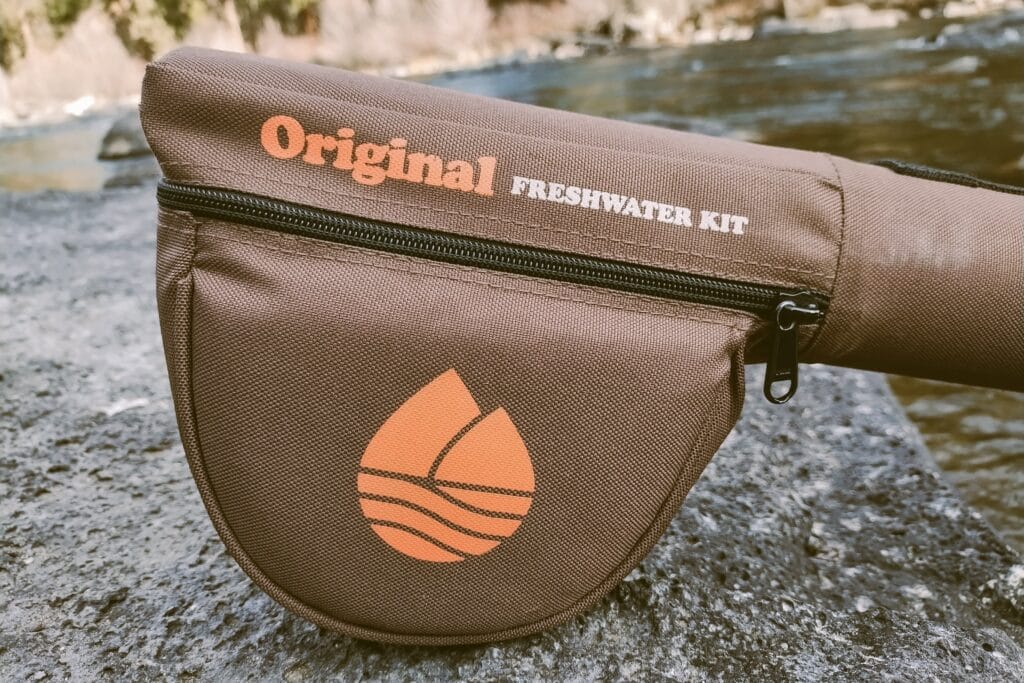
Tenkara Rod Co. sells the Sierra rod with a carbon fiber rod case and neoprene sock sleeve. I rarely use the rod cast, but I usually have the rod in the sock sleeve, except when I strap it to my running pack.

The biggest advantage of a tenkara rod versus a fly rod is packability. The Sierra rod is no exception. The rod collapses to a tidy 20 inches, making it a perfect companion for bikefishing, bikepacking, and trail running.
The Sierra rod fits perfectly along the top tube of my Ritchey Ultra. The rod’s light weight means I don’t need anything more than two sets of foam spacers and shock cord loops to keep it firmly attached to the bike’s top tube.
I pack the Sierra rod in my Surly Grappler’s frame bag when I’m out on longer bikefishing adventures. The tenkara rod takes up virtually no space and always comes with me as a backup, even when I’m planning to use my fly rod. It’s reassuring to know that I can always have a tenkara rod with me, even when my bike is packed to the gills for a bikepacking trip, too.
I dabble in trail running when I’m not bikefishing. I built a lightweight running pack with attachment points for the Sierra rod to come with me on my trail runs. Running is a chore for me, so being able to bring a tenkara rod with me makes running more enjoyable.
The Sierra rod is just long enough to stick out a few inches from my small backpack. I have not encountered any issue with the rod’s length when running, but I did have a close call when wearing the pack with the rod on the bike.
The tip of the rod caught a low-hanging branch and ripped backward from the pack. The force wasn’t strong enough to knock me off my bike, but it did tear the attachment point from the seam of the pack. The Sierra rod was undamaged, though.
Fishability
Tenkara Rod Co. says the Sierra rod has “an incredibly soft flex and amazing feel” designed for small water when “casting is tight.” I say yes to the first part and sort of to the second part.
I found the Sierra rod’s noodly nature caused a steep learning curve for someone like me who was new to the world of tenkara. Setting the hook with fish properly took a lot of time and practice. I missed a lot of fish when I started because I was too slow and imprecise.
Something clicked eventually, though. Now I can reliably set the hook, and I absolutely love the feel of the noodle effect. I love it so much that I chose to build a 3-weight fiberglass fly rod to get the same feeling as a fly rod.
Most of the movements with the Sierra rod are derived from quick and precise wrist flicks. I find that I accurately cast at short distances with this rod with very little energy. Casts feel like throwing a dart with pinpoint accuracy.
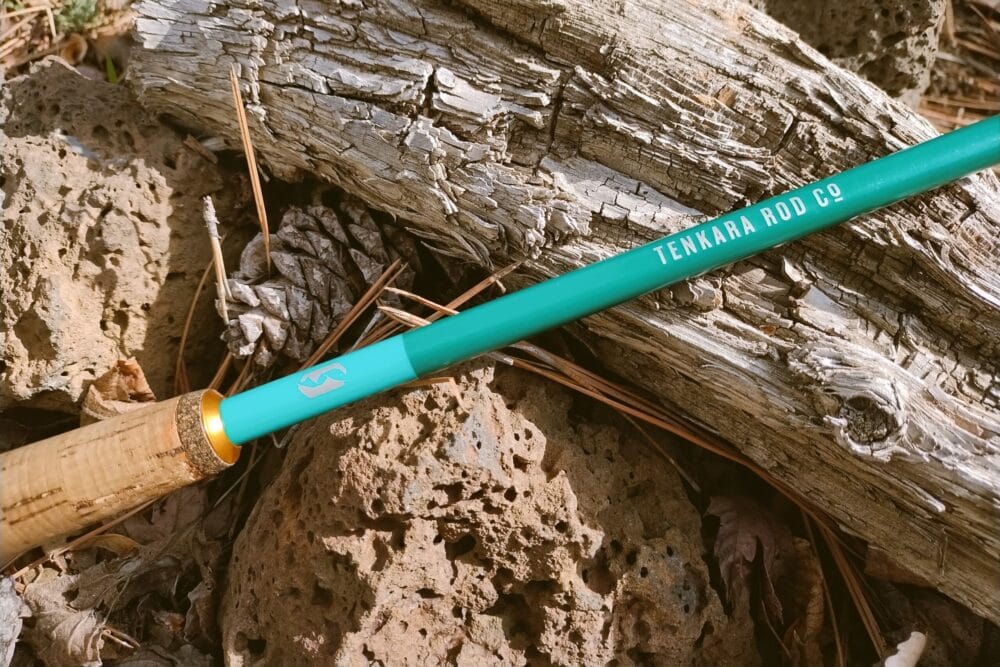
I mostly use size 12-16 dry flies or size 12-14 tenkara-style wet flies with the Sierra rod. My typical line setup for this rod is a 10.5-foot furled line paired with 4 feet of 5X tippet. Dry fly fishing is really fun with precise casting and the ability to keep the line off the water. I find fishing wet flies more productive with the Sierra rod than my fly rods because I can manipulate and pulse the flies underwater with small twitches of the rod tip.
I also tried a longer line setup with 15 feet of level line paired with 5 feet of tippet. I didn’t like this setup. Casting became beleaguered and inaccurate. Setting the hook with fish became difficult again. And landing fish required handlining, something I didn’t have the patience to learn properly.
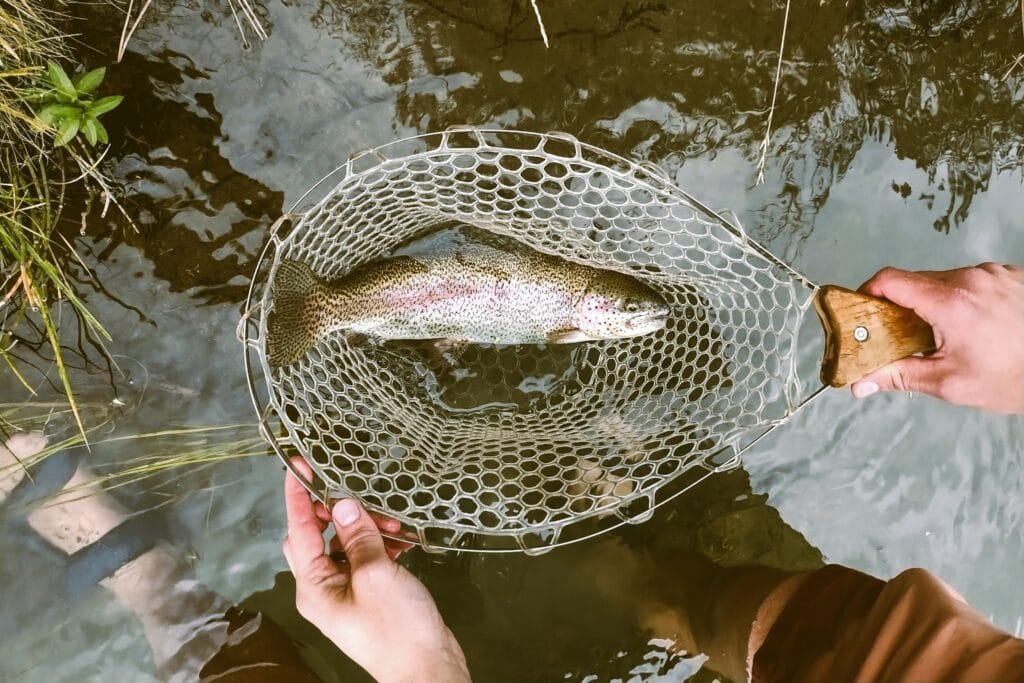
I often used the Sierra rod on my home river, the Deschutes. Fly rods make more sense for the river because of the lengthened reach, but there aren’t many big fish in my part of the river. Nonetheless, the rod easily handles the “big” 12-inch whitefish and rainbows I hook every so often.
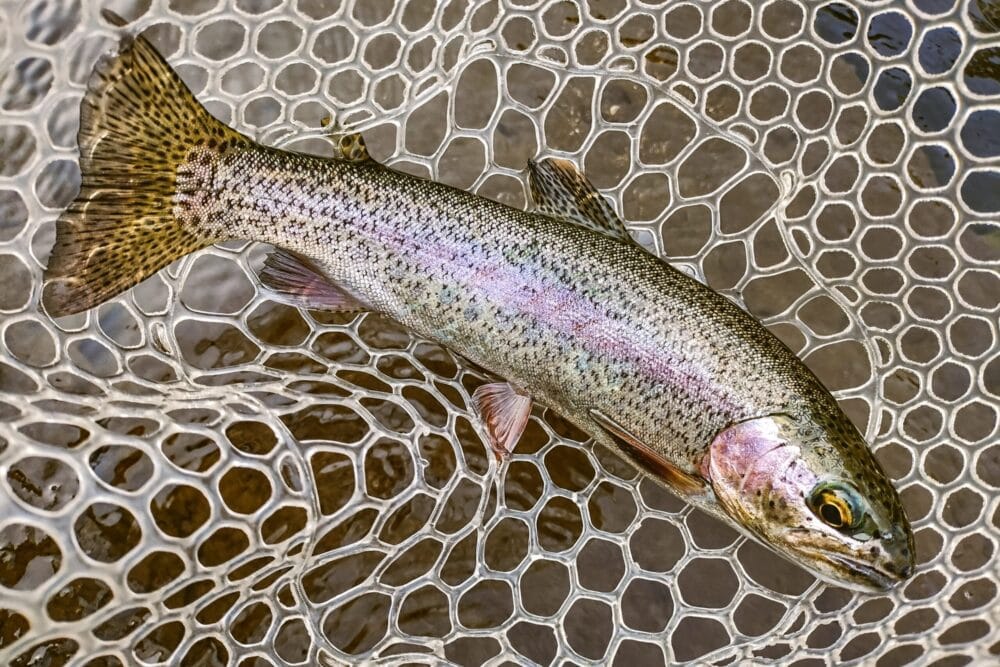
The Metolius River is notorious for being a difficult spot to fish. The crystal clear river is heavy on pressure and light on fish. I fished the river with the Sierra rod and came away with a few decent fish, though. I prefer a fly rod for that river, but the tenkara rod probably helped me entice bites because of the delicate and attractive presentations it allows.
Tenkara Rod Co. says the Sierra rod is built for small water and tight casting. I think the rod is certainly happiest on creeks with small fish. Picking out tiny pockets of water is really fun thanks to the rod’s casting accuracy. And “fighting” little fish is really enjoyable because you can actually feel the tug with this rod.
But I think the 10.5-foot rod is too long to excel at casting in tight areas. I routinely smack my rod tip on tree branches when creeks get overgrown. On the contrary, my 7-foot fly rod doesn’t have the same issue.
Durability
I snapped two sections and one tip on the Sierra rod in three years. The first time, a section broke when I was attempting to set the hook. Tenkara Rod Co. replaced the section under warranty with zero issues.
An old lady broke another section on the tenkara rod. At least, I think so. I caught a small redband with my son while fishing a small creek. I laid the rod down on the bank, and my son and I admired the fish. A curious old lady nearby came over to look at the fish, and the rod snapped in the middle section on my next cast. Coincidence? Probably not.
I broke the tip backcasting on an overgrown creek. I hit a tree branch and felt the rod tip go limp. It was my fault, but I can only be so careful casting a 10.5-foot rod in tight spaces.
They were out of stock of green replacement tips when I wanted one, so I ordered a slightly different color. The color inconsistency doesn’t bother me because it doesn’t impact performance.
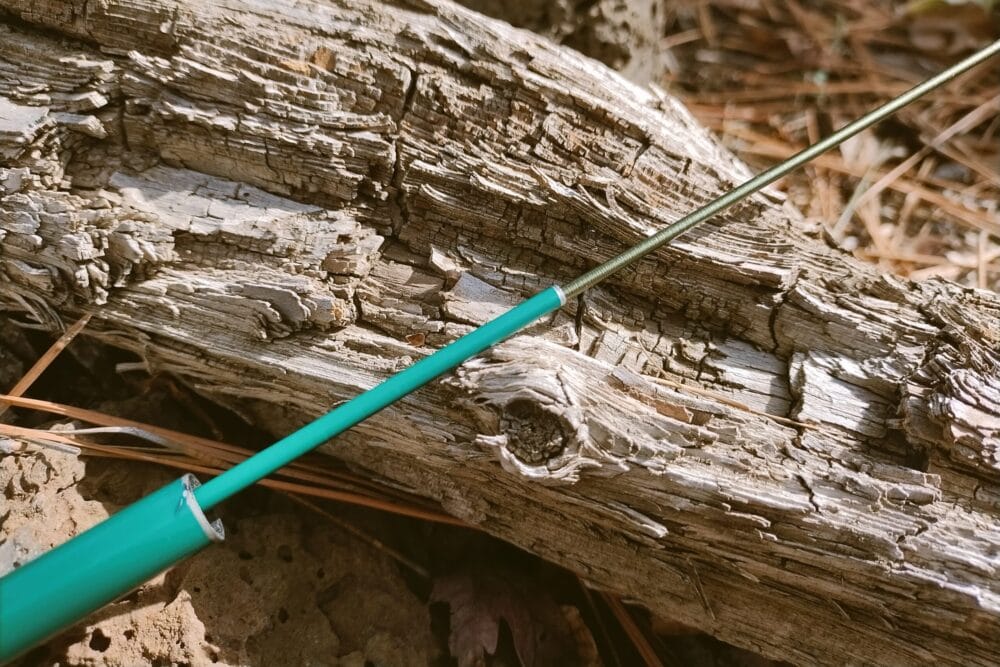

But the lillian slid off the replacement rod tip one day when I was on the water. Nothing prompted the disconnection. The lillian came off as I pulled the furled line tight to test my knot. I added a dab of glue to the rod tip and slid the lillian back in place.
All damage occurred to the Sierra rod when it was extended and in use. No damage occurred when the rod was in its collapsed position. I found that the neoprene sock sleeve is more than enough to protect the tenkara rod wherever I have it packed.
I lost the rod tip plug fishing in a small creek one day. I think it bounced out of my shirt’s chest pocket when I was trying to reach up to untangle my fly from a tree branch. I would have appreciated it if the plug had come with a loop of string through it so it could be easily secured when not in use.

I now use a universal cap that I haven’t lost. It’s bigger, which makes it more difficult to lose than a small rod tip plug. If I were to get another tenkara rod with the same plugs Tenkara Rod Co. uses, I would drill a hole in the plug and insert my own string loop.
Final Thoughts
The Tenkara Rod Co. Sierra rod is emblematic of everything that I like about tenkara rods. The rod packs down to virtually nothing and can be taken anywhere. Fishing with the Sierra rod is super fun, from casting to playing small fish.
I’m on the fence about the extended length of the rod, though. I found 10.5 feet to be difficult to cast safely in tight, overgrown sections of small creeks. But I really like how the rod casts, and worry a shorter tenkara rod would lose that characteristic.
I’m not impressed with the Sierra rod’s durability. Three broken sections and a disconnected lillian are causes for concern. The rod is really fun and works well, until it breaks. That’s not great. I don’t think I could recommend this rod to a friend unless I knew that the manufacturing process changed to make the rod more durable without sacrificing its noodly characteristics.
Share this
Read More
- All Posts
- Bikefishing 101
- Blog
- DIY Guides
- Gear Reviews
- Quests